“Arabian Coffee” search results (2800)

Coffee botany is mainly divided into the following five varieties
There are more than 60 types of coffee classified, but there are roughly two varieties of coffee grown commercially on a large scale, one is Arabica, accounting for about 70 percent of the world's coffee planting area, and the other is Robasta, accounting for about 30 percent of the world's coffee planting area. According to our national standards, the classification of coffee is mainly divided into the following five varieties. 1. Small seed coffee, that is, Arabian species. Original production
2015-07-28 Coffee botany mainly divided into the following a variety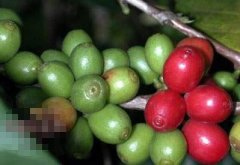
South American coffee producing countries
South American producer countries
2014-06-06 Coffee Culture Coffee Production South America
Yemeni coffee beans from 12 famous high-quality coffee producing areas
Before the 6th century AD, Yemen was called Arabia, so coffee trees shipped from Yemen to other places were also called Arabian coffee trees. But the origin of these trees is Ethiopia. Yemen is the first country in the world to produce coffee on a large scale as a crop. Today, coffee farmers in Yemen still use the same method to produce coffee as they did 500 years ago.
2015-06-01 Famous twelve quality coffee origin Yemen coffee beans
Ecuador, the highest Arabica coffee plantation in the world, introduces the coffee producing countries.
Ecuador is the highest Arabian coffee plantation in the world. Since the coffee tree was first introduced into Ecuador in 1875, the quality of its coffee has remained unchanged for 100 years, especially the coffee harvested in early June every year, which is known as the best coffee in the world. Ecuadorian coffee beans are divided into Galapagos and Segante, both of which have large particles and heavy weight.
2016-06-22 In the world altitude high Arab coffee plantation Ecuador producing country Jiuke
Classification of coffee by the National Standard for Coffee Botany
There are more than 60 types of coffee, but there are roughly two types of coffee grown on a commercial scale, one is Arabica, accounting for about 70% of the world's coffee planting area; one is Robasta, accounting for about 30% of the world's coffee planting area. According to the classification of coffee by China's national standards, it is mainly divided into the following five varieties. 1. Arabica coffee, i.e. Arabian species. origin
2015-01-17 coffee botany national standard classification class has variety commercial
Mocha coffee beans are made in Yemen.
Yemen was called Arabian until the 6th century AD, so coffee trees shipped from Yemen to other places were also called Arabian coffee trees. But the origin of these trees is Ethiopia, and the Dutch spread these coffee trees around the world. Dutch businessmen sailing eastward around the Cape of good Hope (The Cape Of Good Hope) began their long distance
2016-05-31 Mocha coffee beans Yemen origin mocha
Talk about the basic knowledge of growing fine coffee
Coffee is now widely grown in the ribbon between the Tropic of Cancer. Coffee grown in different regions has different flavors. The unique soil, climatic conditions and planting methods of a country make the coffee produced in that country have a unique flavor. French winemakers call this phenomenon regional style. Geographically, there are three global coffee growing areas
2015-08-18 Talk about coffee planting boutique basics common sense now Tropic of Cancer occasional belt
Do this, mocha Italian latte, mocha coffee, Ethiopian mocha beans, Arabica coffee beans.
Mocha coffee (also known as mocha or mocha, also translated as Arabian quality coffee, English CafMocha, meaning chocolate coffee) is a variant of Italian latte (CafLatt). Like the classic Italian latte, it is usually made of 1/3 espresso (CaffEspresso) and 2/3 foam, but it is also mixed with a small amount.
2016-03-31 So do Mo Kayi style Coffee Moka Ethiopia Arabia
The production of coffee, the planting technology of coffee manor.
Arabica coffee and Robbite coffee are harvested once every 3 to 4 years, and their lifespan varies due to different production conditions and different degrees of care (usually 20 to 30 years, after which they have to be replanted). Both varieties need plenty of sunlight and moisture. Arabian coffee trees like the seasonal climate of 15-24 ℃; Robbins like warm.
2016-06-06 Coffee yield planting technology manor Arabian coffee Robbins all 4
Characteristics of taste and flavor of coffee beans from coffee producing areas all over the world
Today, there are more than 100 varieties of coffee, but these more than 100 kinds of coffee are all derived from Arabica coffee, Robbda coffee and Liberian coffee, which come from different countries as follows:
2022-06-28 Coffee knowledge coffee origin coffee encyclopedia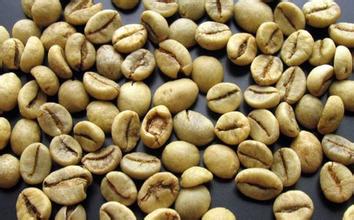
Yemeni coffee beans mocha coffee beans in Asia have slippery and fragrant flavor characteristics.
Yemen was called Arabian until the 6th century AD, so coffee trees shipped from Yemen to other places were also called Arabian coffee trees. But the origin of these trees is Ethiopia, and the Dutch spread these coffee trees around the world. Dutch businessmen sailing eastward around the Cape of good Hope (The Cape Of Good Hope) began their long distance
2015-12-31 Asia producing areas Yemen coffee beans mocha with greasy fragrant flavor characteristics
What are the main producing areas of coffee
Today, there are more than 100 varieties of coffee, but more than 100 kinds of coffee are all derived from Arabica coffee, Robbda coffee and Liberian coffee, which come from different countries as follows: Brazil is the largest coffee producer, and various grades and types of coffee account for 1/3 of the global consumption and occupy a place in the global coffee market.
2015-05-07 Coffee main origin which today coffee variety about 100 many
What are the main producing areas of boutique coffee
Today, there are more than 100 varieties of coffee, but more than 100 kinds of coffee are all derived from Arabica coffee, Robbda coffee and Liberian coffee, which come from different countries as follows: Brazil is the largest coffee producer, and various grades and types of coffee account for 1/3 of the global consumption and occupy a place in the global coffee market.
2014-12-12 Boutique coffee basics common sense main origin which today variety
What are the main producing countries of fine coffee?
Today, there are more than 100 varieties of coffee, but more than 100 kinds of coffee are all derived from Arabica coffee, Robbda coffee and Liberian coffee, which come from different countries as follows: Brazil is the largest coffee producer, and various grades and types of coffee account for 1/3 of the global consumption and occupy a place in the global coffee market.
2015-03-19 Boutique coffee main origin which producing country today variety about
Description of aromatic Burundian Coffee Flavor introduction to the taste of fine coffee beans in the producing area
Burundi coffee was introduced by Belgian colonists in 1930. Unfortunately, many of these farms are on the border with war-torn Rwanda, putting pressure on coffee production. Coffee production in Burundi: Burundian coffee is now grown only on small farms. Almost all the coffee produced in Burundi is Arabian coffee beans.
2016-09-26 Aromatic rich Burundian coffee flavor description producing area characteristics boutique
Introduction of mocha coffee beans
Mocha coffee (also known as mocha or mocha, also translated as Arabian quality coffee, English Caf Mocha, meaning chocolate coffee) is a variant of Italian latte (Caf Latt). Like the classic Italian latte, it usually consists of 1/3 espresso, mocha (Caff Espresso) and 2/3 foam.
2016-06-01 Mocha coffee beans introduction mocha coffee also known as Moga or transliteration
Basic knowledge of coffee lists the main producing areas of coffee
Today, there are more than 100 varieties of coffee, but more than 100 kinds of coffee are all derived from Arabica coffee, Robbda coffee and Liberian coffee, which come from different countries as follows: Brazil is the largest coffee producer, and various grades and types of coffee account for 1/3 of the global consumption and occupy a place in the global coffee market.
2014-11-04 Coffee knowledge coffee basics coffee common sense coffee origin
The brewing method of Arabian or Turkish coffee
In the brewing of coffee, it is not said which is the best way; everyone has what they think is the best way to make coffee. Coffee is already a part of our daily life, so it must suit our way of life; it can also meet the economic benefits of each person. Making coffee is not only a ritual, but also a practical problem in our lives. Coffee is not like tea or
2015-08-26 Arab Turkish coffee brewing method some say one yes.
Introduction to the characteristics of grindability of Bobang coffee beans grown in Yunnan by describing the flavor of small grains
Yunnan Coffee Bean introduces two classic high-quality coffee varieties, Typica and Bourbon, which are the main cultivated varieties in Yunnan. In 1991, Katimo Catimor series varieties were introduced from Kenya (with stronger anti-virus ability and higher yield). A variety of Arabian species (also known as small seed species). Because the morphology and habits of the two varieties are similar, the two
2016-10-24 Yunnan planting Bobang species coffee beans small grains flavor description treatment grinding special
Fruit to raw coffee beans
A coffee tree can harvest 3-5 kg of fruit, and raw coffee beans account for 1. 5% of the fruit quality. Going from fruit to raw coffee beans is really a time-consuming and laborious task. Arabian, Robusta and Liberian Arabian coffee account for about 2% of the world's coffee production. The plant is not suitable for high temperature, low temperature, more rain and less rain. Coffee beans are oval and flat, with high quality
2014-09-29 Raw coffee beans coffee fruit